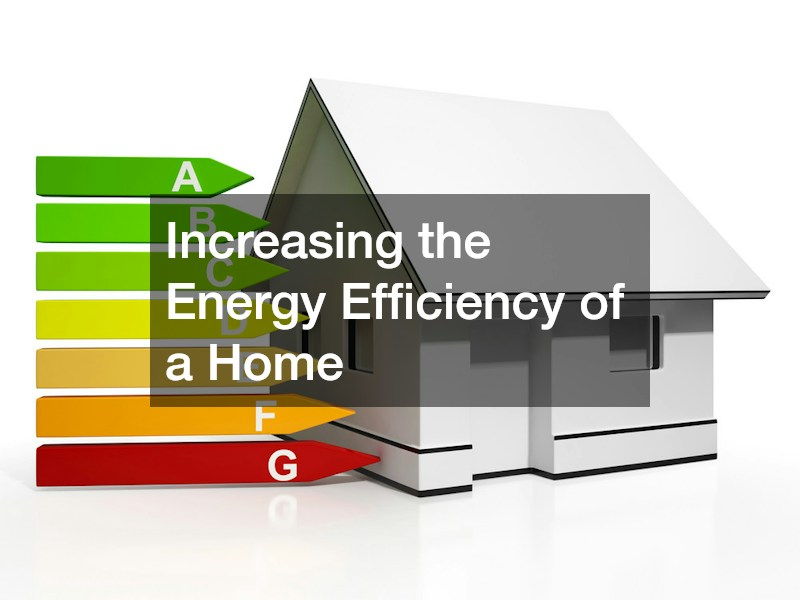
Homeowners everywhere are constantly looking for practical ways to lower their utility costs, improve interior comfort, and minimize their overall environmental footprint. Building a more energy-conscious living space does not mean you have to sacrifice daily comfort or convenience. Instead, it involves making strategic, informed decisions about how your dwelling generates, retains, and manages power and airflow. By systematically evaluating your living space from top to bottom, you can identify hidden areas of energy loss, optimize major system performance, and significantly reduce month-to-month expenditures.
Achieving high levels of performance in a modern residence requires an integrated approach. Every subsystem within a structure operates as part of an interconnected whole, where the efficiency of one component directly impacts another. When cold air escapes through uninsulated structural gaps or outdated building envelope components, your central heating and cooling units are forced to run longer, consuming extra electricity or gas. Addressing these inefficiencies creates a compounding effect, yielding lower power bills, extended equipment lifespans, and a noticeably more comfortable indoor climate throughout every season of the year.
Optimizing Thermal Envelopes and Openings

Selecting Advanced Fenestration Products for Exterior Walls
The exterior openings of a structure represent the most common paths for thermal transfer. Upgrading outdated single-pane glass features to modern double- or triple-pane alternatives creates an essential thermal break between your indoor environment and exterior climate extremes. If your current frames are structurally sound but suffer from cracked, fogged, or damaged glazing, opting for targeted glass replacement can restore complete thermal resistance without requiring a total frame tear-out. These modern panes utilize low-emissivity coatings and inert gas fills, such as argon, to reflect heat back toward its source, keeping your home cooler during hot summer afternoons and warmer during freezing winter nights.
Installing High-Performance Frames and Panes
When whole units show sign of advanced frame deterioration or air infiltration, a complete window replacement becomes the most cost-effective long-term path forward. Modern frame materials like insulated vinyl, composite wood, and fiberglass provide superior resistance to thermal conduction compared to older aluminum setups. Working closely with certified window contractors ensures that each unit is measured precisely and sealed with professional-grade expanding foam and exterior caulk. Proper perimeter sealing prevents hidden air currents from penetrating around the frame, guaranteeing that your new investment performs at its maximum potential.
Upgrading Exterior Doors to Block Air Leaks
Exterior entryways are another prime culprit for draftiness and energy loss. Older wooden or thin metal doors tend to warp over time, breaking the perimeter weatherstripping seal and allowing conditioned indoor air to leak out rapidly. Scheduling a professional door installation allows you to select insulated fiberglass or steel composite units packed with polyurethane cores. These modern entry solutions deliver significantly higher thermal resistance ratings than traditional hollow-core options, while integrated threshold seals and dual-perimeter weatherstripping keep weather elements outside where they belong.
Sealing Large Overhead Structures in Attached Garages
An often-overlooked source of major home heat transfer is the boundary between an attached garage and adjacent interior living areas. Installing insulated residential garage doors helps maintain a stable buffer zone in your garage, preventing radical temperature swings from directly chilling or heating interior shared walls. High-efficiency garage units feature heavy-duty perimeter track seals, bottom weather seals, and dense polystyrene insulation sandwiched between steel panels, dramatically reducing draftiness in attached laundry rooms or bonus bedrooms located directly above the space.
Enhancing Heating and Cooling Performance
Scheduling Annual Preventive Maintenance for Climate Control Systems
Heating and cooling equipment accounts for more than half of the energy consumed in a typical home. To keep these complex systems operating at peak performance, scheduling regular tune-ups is critical. Partnering with a reliable hvac repair company ensures that your equipment receives comprehensive seasonal checkups, including coil cleaning, electrical safety checks, blower motor calibration, and refrigerant level adjustments. Regular maintenance prevents tiny operating flaws from escalating into major operational failures that drag down seasonal efficiency ratings.
Timely Air Conditioning System Care and Maintenance
During peak summer weather, cooling equipment operates under continuous strain. Promptly addressing minor mechanical glitches, such as failing run capacitors, worn fan belts, or clogged condensate drain lines, through professional air conditioning repairs ensures that your unit operates smoothly without burning excess electricity. Running a compromised air conditioner with dirty coils or low refrigerant forces the compressor to draw higher electrical amperage, driving up utility bills and shortening the operating lifespan of the entire system.
Optimizing Zoned Heating for Localized Comfort
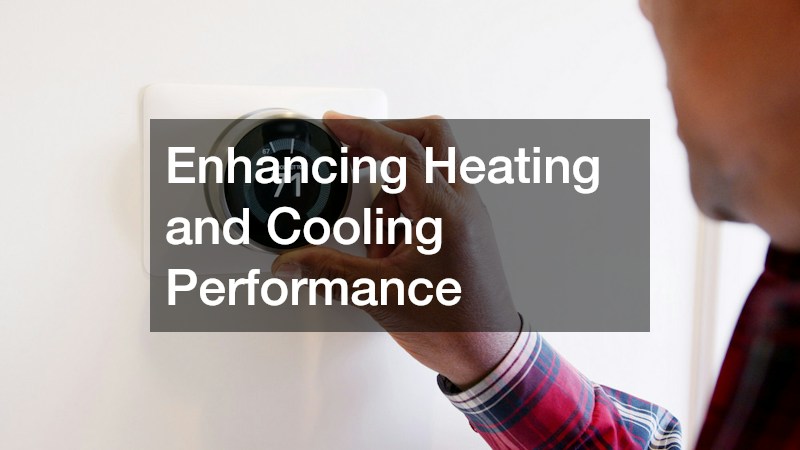
Heating empty rooms wastes substantial amounts of fuel and power every winter. Implementing modern zoning strategies and localized equipment options allows homeowners to direct heat precisely where it is needed most. Utilizing smart programmable thermostats alongside targeted local heating techniques ensures you are not spending money conditioning unused guest rooms or basements. By maintaining distinct thermal zones, you can comfortably lower the overall baseline temperature of your primary furnace while preserving customized comfort in high-use gathering areas.
Diagnostic Maintenance and System Integrity
Specialized Equipment Diagnostics for Household Leak Detection
Precision diagnostics play a vital role in keeping modern home mechanical systems running cleanly and efficiently. While primarily utilized in industrial settings and specialized refrigeration servicing, engaging technicians trained in helium leak detector repairs ensures that sensitive diagnostic equipment remains accurately calibrated for pinpointing microscopic leaks in closed-loop systems. Highly calibrated leak detection tools allow technicians to catch trace gas escaping from complex heat pump loops, specialized solar water heaters, or buried lines before small issues turn into major efficiency drains or complete mechanical breakdowns.
Water Heating and Plumbing Infrastructure Efficiency
Upgrading to High-Efficiency Domestic Water Heating
Water heating represents the second largest energy expense in most residences. Traditional tank-style water heaters continuously run burners or heating elements to maintain a massive reservoir of hot water twenty-four hours a day, generating substantial standby heat loss. Partnering with an experienced plumbing contractor allows you to explore energy-saving alternatives like tankless water heaters, hybrid heat pump water heaters, or point-of-use units. Heat pump water heaters, for instance, transfer existing heat from ambient basement air into the water storage tank, consuming up to seventy percent less electricity than standard electrical resistance water units.
Insulating Hot Water Pipe Networks and Fixtures
Even the most efficient water heater loses performance if heat bleeds away through uninsulated copper or PEX pipes as water travels to faucets and showers. Fitting accessible hot water pipes with high-density foam sleeves reduces standby temperature loss, allowing you to lower the baseline setting on your water heater without sacrificing temperature at the tap. Additionally, replacing older fixtures with low-flow showerheads and aerators reduces the total volume of hot water needed daily, conserving both energy and natural water resources.
Structural Insulation and Air Sealing Practices
Fortifying the Attic with Advanced Insulation
Warm air naturally rises, making an uninsulated or under-insulated attic one of the primary pathways for winter heat loss and summer heat gain. Increasing your attic insulation depth using loose-fill fiberglass or blown cellulose creates a dense protective barrier that keeps conditioned air in the lower living spaces. Aiming for an insulation value between R-38 and R-60 ensures maximum thermal resistance, protecting your home against harsh climatic fluctuations throughout the entire year.
Sealing Hidden Bypasses and Chases
Insulation alone cannot perform effectively if air currents freely flow through unsealed gaps in the ceiling plane. Before adding new insulation, it is essential to seal all thermal bypasses, including gaps around recessed lighting cans, attic access hatches, chimney chases, and plumbing stack penetrations. Utilizing expanding spray foam, fire-rated caulk, and rigid foam board stops stack effect air movement, stopping warm air from escaping into the attic cavity during winter months.
Insulating Basements, Crawlspaces, and Rim Joists
Unconditioned crawlspaces and basements act as continuous cold sinks during winter, pulling warmth downward through bare floorboards. Sealing crawlspace vents, laying down heavy-duty vapor barriers, and applying rigid foam insulation to foundation walls keeps lower levels temperate and dry. Pay extra attention to rim joists, where the home frame sits on the foundation wall, as this area features numerous seams that benefit greatly from custom spray-foam air sealing.
Optimizing Ductwork Integrity and Air Distribution
Sealing Supply and Return Air Ducts
Central heating and cooling systems rely entirely on ductwork networks to distribute conditioned air throughout your living spaces. Over time, vibration, aging adhesive tapes, and house settling cause duct seams to separate and joints to open up. Leaky supply ducts force conditioned air directly into unheated attics or crawlspaces, while leaking return ducts pull dust, humidity, and unconditioned air into your living areas. Sealing these air conduits with painted-on duct mastic or specialized foil-backed tape eliminates pressure losses, ensuring your mechanical system delivers air directly to target rooms without wasting power along the way.
Insulating Exposed Metal Air Runs
In addition to preventing physical air leaks, addressing thermal transfer along the metal surfaces of ductwork runs is essential. Metal ducts passing through unconditioned spaces rapidly lose heat during winter and pick up excessive heat during summer months. Wrapping exposed duct branches in high-density foil-faced fiberglass insulation prevents thermal loss along distribution routes, allowing your mechanical systems to reach desired room setpoints faster and run shorter overall operational cycles.
Smart Energy Management and Appliance Upgrades
Installing Programmable and Smart Thermostats
Manual thermostats often lead to energy waste when occupants forget to adjust settings before leaving for work or going to sleep. Modern smart thermostats solve this issue by learning your daily routines, automatically adjusting temperatures when the house is empty, and allowing remote access via smartphone apps. Setting your thermostat back seven to ten degrees for eight hours a day can save up to ten percent a year on overall heating and cooling expenditures.
Transitioning to ENERGY STAR Certified Appliances
Older appliances draw significantly more electrical current than modern high-efficiency alternatives. When replacing kitchen or laundry appliances, always select ENERGY STAR certified models, which adhere to strict energy consumption standards set by environmental protection agencies. High-efficiency clothes washers use less water and extract more moisture during high-speed spin cycles, dramatically shortening the energy-intensive drying cycle that follows.
Upgrading to Solid-State LED Lighting Systems
Replacing outdated incandescent or compact fluorescent light bulbs with modern light-emitting diode options is one of the simplest, most immediate energy-saving measures available. LED bulbs consume up to eighty-five percent less energy than traditional incandescent bulbs while producing far less heat, helping your home stay cooler in summer. Additionally, LEDs feature operational lifespans lasting up to twenty-five thousand hours, making them a durable and low-maintenance lighting solution.
Passive Solar Design and Window Treatments
Utilizing Thermal Drapes and Shades
Indoor window treatments offer a surprisingly effective layer of defense against heat transfer. Hanging thick thermal-lined curtains or cellular shades creates a still air layer between the window pane and your living space, blocking drafts during cold spells and reflecting radiant heat during peak summer sun.
Strategic Landscaping for Exterior Climate Buffer
Planting deciduous trees on the southern and western sides of your property provides natural shade during summer, reducing solar heat gain on exterior walls. In winter, those same trees shed their leaves, letting natural sunlight shine through windows to warm your home naturally.
Renewable Energy Integration and Future-Proofing
Harnessing Solar Energy with Rooftop Photovoltaic Panels
Once you have optimized your home envelope and reduced interior energy loads, installing a residential rooftop solar array offers a powerful path toward energy independence. Photovoltaic panels convert sunlight directly into clean usable electricity, offsetting your reliance on utility grid power. Integrating a battery storage system lets you capture extra daytime solar production and power your home during peak evening pricing hours or grid utility outages.
Conducting a Whole-Home Professional Energy Audit
The single best way to prioritize your efficiency investments is by scheduling a comprehensive home energy audit. A certified auditor utilizes specialized diagnostic equipment, such as blower doors and thermal imaging cameras, to identify precise locations of air leakage, missing insulation, and inefficient ductwork. An audit provides a clear, customized roadmap, ensuring that your time and financial resources are targeted at the areas that will yield the greatest energy savings.
Taking proactive steps to improve your property’s overall performance delivers immediate and lasting benefits. By combining structural improvements with smart system maintenance and energy-conscious daily habits, you create a healthier, more comfortable living space while significantly driving down ongoing energy expenses. Investing in energy efficiency enhances your daily living experience today while building lasting financial value and structural durability for the future.
